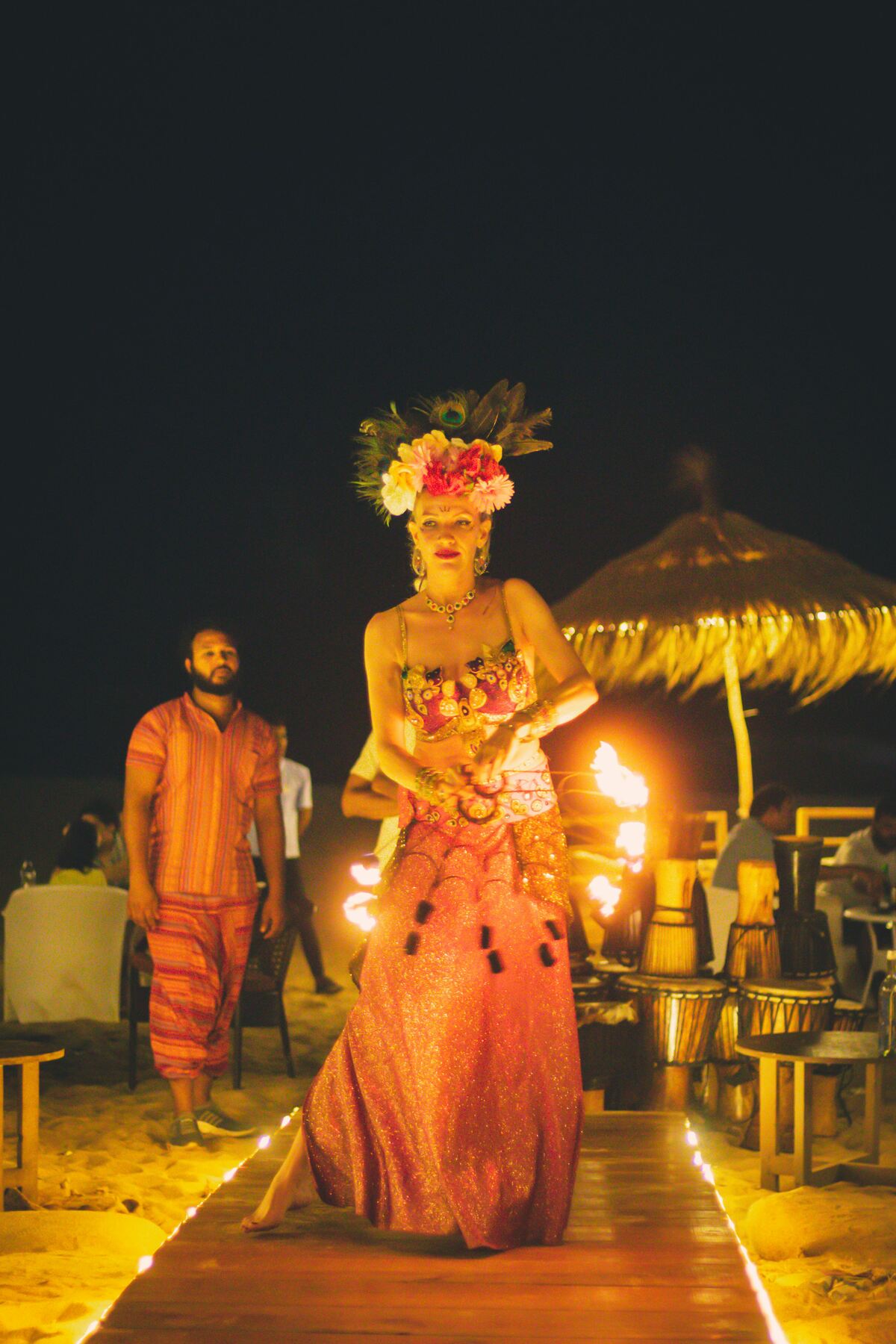
Planning an outdoor gala is one of those undertakings that sits right at the crossroads of art and logistics. It demands creative vision, meticulous organisation, and the kind of warmth that makes guests feel they have been invited into something truly special — not merely attended an event. Whether you are organising a high-profile corporate gala, a grand charity fundraiser, or a wedding celebration that deserves a backdrop grander than four walls can offer, the outdoor setting raises the stakes beautifully. Nature is the world's most generous decorator, but she does not work alone. You do. And how well you do it makes all the difference.
Start with the Right Venue — It is Everything
Before a single flower is ordered or a caterer is called, the venue conversation has to happen. The venue does not just set the scene; it dictates almost every other decision that follows — the layout, the catering constraints, the décor choices, and even the guest experience from the moment they arrive.
For those hosting events in coastal or tropical regions, a setting is worth serious consideration. A beachside venue offers a naturally dramatic backdrop — the horizon, the sound of water, the soft evening light — that no amount of staging can replicate indoors. The key is choosing a resort that understands events, not just hospitality. The right beach resort venue will have experience managing outdoor acoustics, dealing with wind and humidity, and coordinating with vendors who know how to work in open-air conditions.
When evaluating outdoor venues, go beyond aesthetics. Ask about power supply for lighting and sound, toilet facilities and their capacity for large groups, proximity to parking or transport links, and noise ordinances that might restrict music after a certain hour. Visit the site at the same time of day your event will run — the light, the wind direction, and the ambient noise will all feel different at 6 PM than they do at noon.
Accommodation Matters More Than You Think
For galas that stretch late into the evening — or those that draw guests from out of town — accommodation is not an afterthought. It is part of the hospitality. If guests are traveling to attend your event, they want to know they can relax afterward without a long drive home. And for destination events especially, the accommodation you arrange can become part of the event experience itself.
If you are working with a venue that doubles as a hotel, you are already a step ahead. Wedding venues with accommodation are increasingly popular for exactly this reason — they allow couples and event planners to keep guests in one connected space, from the ceremony through breakfast the next morning. The sense of occasion does not end when the music stops; it lingers through the evening, through shared conversations in hotel corridors, through a late nightcap in the lobby.
When comparing properties, don't get seduced purely by the glamour of the rooms. Think practically about room blocks, group rates, and how smoothly the hotel team communicates with your event team. A property that handles both the event and the accommodation under one roof, with clear internal communication, will save you more headaches than you can count.
For events planned around the Wattala area in Sri Lanka, it is worth researching Wattala hotel rooms prices early in your planning process. Pricing can vary significantly depending on the season, proximity to the venue, and room type. Securing a block of rooms at a negotiated group rate — well before you send invitations — protects your guests from last-minute price hikes and gives you one less variable to manage as the event approaches.
The Guest Experience Begins Before They Arrive
An elegant gala is not experienced only in the moment — it is anticipated. And that anticipation is shaped by every touchpoint before the event itself: the invitation design, the communication leading up to the night, the clarity of directions and parking information, and the warmth of whatever welcome they receive on arrival.
Send invitations that match the tone of the event. For a truly elegant outdoor gala, printed invitations still carry weight — there is a tactile quality to good card stock and embossed lettering that a digital invite simply cannot replicate. That said, a beautifully designed digital invitation can still feel considered and intentional, especially when accompanied by thoughtful wording and a clean RSVP system.
Consider the journey your guest takes on arrival. Will there be valet parking? A clearly marked path from the car park to the event entrance? A welcome drink waiting at the entry point? These small gestures communicate care, and they set an emotional tone before a single speech is given or a single course is served.
Food and Drink: The Heart of Any Gathering
No matter how breathtaking the venue or how gorgeous the floral arrangements, guests remember how they were fed. Food is the great equaliser of events — it generates conversation, creates comfort, and signals generosity. For an outdoor gala, the catering brief needs to factor in the logistics of an open-air kitchen, seasonal ingredients that hold up well in warm temperatures, and service styles that suit the format of your event.
Buffets work well for outdoor events with large guest lists, but they can feel informal if not executed with care. A seated, plated dinner — even in an outdoor setting — elevates the experience considerably. The key is working with a catering team that has outdoor experience and knows how to time service across a large space without the warmth of a conventional kitchen nearby.
If your venue does not have in-house catering, take time to explore the local dining scene for potential catering partners. The restaurants in Wattala, for instance, include establishments that have developed strong reputations not just for their dine-in service but for catering private and corporate events in the region. A local restaurant-turned-caterer often brings a knowledge of regional ingredients and flavours that can make a menu feel genuinely rooted in its location — which guests almost always notice and appreciate.
Don't neglect the bar program. For an outdoor gala, a signature cocktail — something that reflects the theme or the season — adds a layer of personality that a standard bar list does not. Brief your bartenders to move efficiently; long queues at a bar are a mood killer at any gathering.
Lighting, Sound, and the Invisible Architecture of Atmosphere
Two elements that outdoor event planners frequently underestimate are lighting and sound — and both can make or break an otherwise perfectly planned evening.
As natural light fades, your lighting design takes over. The transition should be seamless and intentional. Strung Edison bulbs lend a relaxed, romantic warmth. Uplighting on trees or architectural features creates drama. Candlelit table settings signal intimacy. Gobo lighting can project patterns — monograms, florals, geometric shapes — onto walls or ground surfaces. The goal is to make the space feel transformed after dark, not simply illuminated.
Sound outdoors is a genuinely technical challenge. Wind, open space, and the natural absorption of outdoor environments all affect how sound travels. Hire a sound engineer — not just a DJ or band — who has experience with outdoor events. They will understand microphone placement, speaker distribution, and how to keep music and speeches audible without overwhelming the space. Test everything during your site visit, not on the day of the event.
Managing the Weather — Honestly and Practically
Every outdoor event planner eventually faces this truth: you cannot control the weather. What you can control is how prepared you are for it. Have a wet-weather plan in place, even if you'd rather not think about it. This means knowing, in advance, where marquee or tent coverage can be erected, what lead time is needed to put it up, and at what point in the forecast you'd trigger that backup plan.
For summer or tropical events, heat is often as much of a concern as rain. Shade structures, hand fans, misting stations, and the thoughtful placement of seating away from direct sun can all make a significant difference to guest comfort. Mosquito control — often overlooked — is a genuine consideration for evening events in humid regions.
Communicate your wet-weather plan to guests in advance. If there is a plan B, a brief note in your event information pack reassures people and demonstrates that you have thought things through. It builds confidence in you as an organiser, and it makes guests more relaxed about showing up.
The Final Layer: Personal Touches That Guests Carry Home
Elegant events are remembered not for the scale of their ambition but for the depth of their thoughtfulness. The small decisions — a handwritten place card, a locally sourced favour, a moment in the program that surprises or moves people — are what guests talk about afterward.
Think about what you want people to feel as they leave. That feeling is your brief. Work backward from it, and let it guide every decision, from the venue selection to the last song of the evening.
An outdoor gala, planned well, is one of the most generous things you can offer people. It asks them to slow down, to look up at the sky, to sit with good food and good company in a space that feels extraordinary. That is a rare gift. Plan it like you mean it.